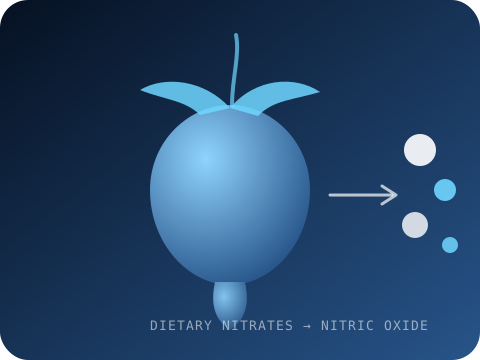
Few ingredients show up as often in circulation-focused wellness formulas as beetroot. It's not a trend without a reason: beetroot is one of the richest natural dietary sources of nitrates, and nitrates sit at the very start of one of the body's nitric oxide production pathways. Here's how that process works, and why beetroot has become a staple ingredient for circulation support.
What Are Dietary Nitrates?
Nitrates are naturally occurring compounds found in a range of vegetables, with beetroot among the most concentrated sources. Once consumed, dietary nitrates can be converted by the body — first into nitrite, then into nitric oxide. This is often referred to as the nitrate-nitrite-nitric oxide pathway, and it works alongside the body's other nitric oxide production route that starts with the amino acid L-arginine (the pathway supported by ingredients like L-Citrulline).
Because beetroot supplies the raw material for this specific pathway, it's frequently paired with other nitric-oxide-supporting ingredients in formulas like CircO2, which combines Beetroot Powder with L-Citrulline, Hawthorn, Vitamin B12, and Vitamin C.
Beetroot and Circulation
As covered in our overview of nitric oxide and blood flow, nitric oxide's central role is signaling blood vessels to relax and widen. By supplying dietary nitrates, beetroot is positioned to support this same relaxation-and-circulation process from a food-based angle.
This is one reason beetroot juice and beetroot powder have become popular among people focused on:
- General circulation support
- Supporting oxygen delivery to muscles during activity
- Endurance-focused training and recreational exercise
- Everyday cardiovascular wellness
Beetroot, Exercise, and Endurance
Beetroot has developed a strong following among athletes and active individuals, largely due to its connection to oxygen utilization. When circulation is supported, oxygen can be delivered to working muscles more efficiently, which is commonly associated with feeling more capable during physical activity and recovering with less difficulty afterward.
It's important to be realistic here: beetroot is not a guaranteed performance enhancer, and it doesn't produce weight-loss or body-composition outcomes. Its role is best understood as ingredient-level support for a pathway connected to circulation and endurance — one piece of a broader wellness routine, not a shortcut.
Beetroot Powder vs. Beetroot Juice
Beetroot powder, the form used in supplements like CircO2, is a concentrated, shelf-stable way to include beetroot's nitrate content in a daily routine without needing to juice or prepare fresh beets. This makes it easier to incorporate consistently, which matters because nitric oxide support tends to work best as part of a regular, daily habit rather than an occasional boost.
How Beetroot Fits Into the CircO2 Formula
In CircO2's formula, Beetroot Powder is paired with L-Citrulline, Hawthorn, Vitamin B12, and Vitamin C — ingredients chosen to support nitric oxide production and vascular health from multiple angles rather than relying on a single mechanism. You can read more about how the two primary nitric-oxide-supporting ingredients work together in our article on L-Citrulline and circulation, or see what customers have reported after adding CircO2 to their routine on the CircO2 reviews page.
The Bottom Line
Beetroot's connection to nitric oxide comes down to its concentration of dietary nitrates, which the body can convert into nitric oxide through a well-documented pathway. For anyone focused on circulation, energy, or exercise performance, it's easy to see why beetroot has become one of the most widely used ingredients in nitric-oxide-support formulas. To understand the bigger picture of how nitric oxide affects the body, revisit our guide on nitric oxide and healthy blood flow.
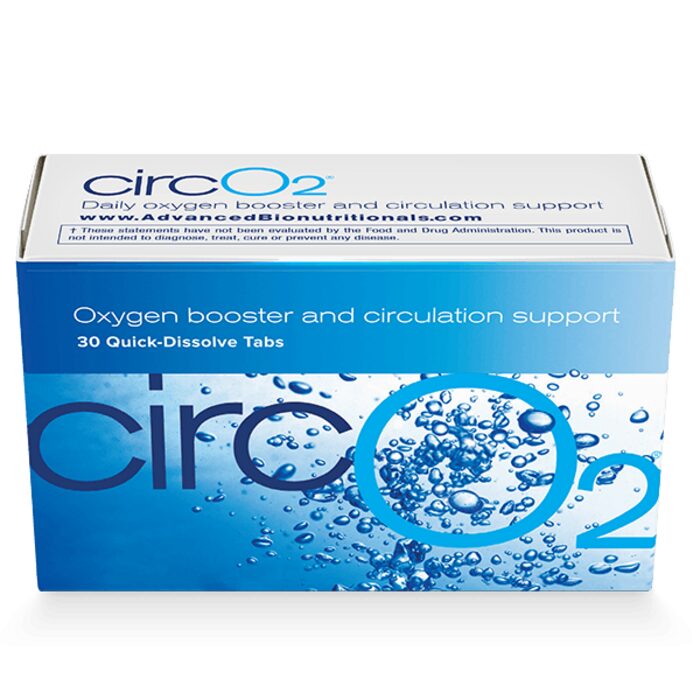
CircO2® Quick-Dissolve Tabs
See the full ingredient breakdown and how this formula is positioned for daily circulation support.