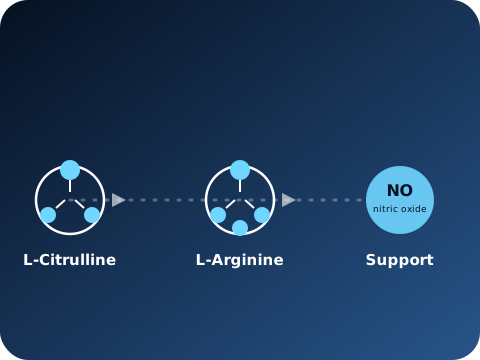
Alongside beetroot, L-Citrulline is one of the most frequently discussed ingredients in nitric-oxide-support formulas. Unlike beetroot's nitrate-based pathway, L-Citrulline works through a different route — one tied directly to the body's amino acid chemistry. Here's what that means in practical terms.
What Is L-Citrulline?
L-Citrulline is a naturally occurring amino acid. While it's found in small amounts in some foods, it's most often discussed in supplement form because of its relationship to L-arginine, another amino acid that the body uses directly to produce nitric oxide.
Once consumed, L-Citrulline can be converted by the body into L-arginine, effectively helping to raise and sustain arginine availability. Because L-arginine is a direct building block for nitric oxide synthesis, supporting its levels is one way L-Citrulline is positioned to support the broader nitric oxide pathway described in our article on nitric oxide and blood flow.
Why Not Just Take L-Arginine Directly?
This is a common question. L-arginine supplements exist, but L-Citrulline is often discussed as a more efficient way to raise arginine levels in the body, since a meaningful portion of orally consumed L-arginine can be broken down before it has a chance to be used for nitric oxide production. L-Citrulline is thought to bypass some of that early breakdown, which is part of why it's frequently chosen over direct arginine supplementation in nitric-oxide-focused formulas.
L-Citrulline and Exercise Performance
L-Citrulline has built a strong reputation in fitness and endurance circles, largely tied to its role in supporting blood flow to working muscles. Better circulation during physical activity is associated with:
- Supporting endurance over the course of a workout
- Helping oxygen and nutrients reach active muscles
- Supporting the body's recovery process after exercise
- Complementing broader cardiovascular wellness goals
As with beetroot, it's important to frame these as supportive, ingredient-level associations rather than guarantees. L-Citrulline is one input into a much larger system that includes diet, training, sleep, and overall health.
Ingredient-Level Evidence vs. the Complete Formula
It's worth being precise about a distinction that matters: research and discussion around L-Citrulline as an individual ingredient is not the same thing as evidence about any specific finished product. When you see L-Citrulline highlighted on the CircO2 ingredients page, that reflects its established role in nitric oxide chemistry — not a specific clinical claim about the CircO2 formula as a whole. This distinction is one of the most important things to understand when evaluating any nitric-oxide-support supplement, a topic we cover in more depth in our guide to choosing a nitric oxide supplement.
How L-Citrulline Fits Alongside Beetroot
L-Citrulline and beetroot-derived nitrates support nitric oxide production through two different biological routes — the arginine pathway and the nitrate-nitrite pathway, respectively. Combining both, alongside supporting nutrients like Hawthorn, Vitamin B12, and Vitamin C, is the reasoning behind formulas like CircO2 that pair these ingredients rather than relying on just one.
The Bottom Line
L-Citrulline plays a well-documented, direct role in supporting the body's nitric oxide synthesis pathway by helping maintain L-arginine availability. Combined with nitrate-supplying ingredients like beetroot, it forms one half of a two-pathway approach to nitric oxide support that's common in circulation-focused formulas. To see how customers describe their experience with a formula that includes L-Citrulline, visit the CircO2 reviews page.
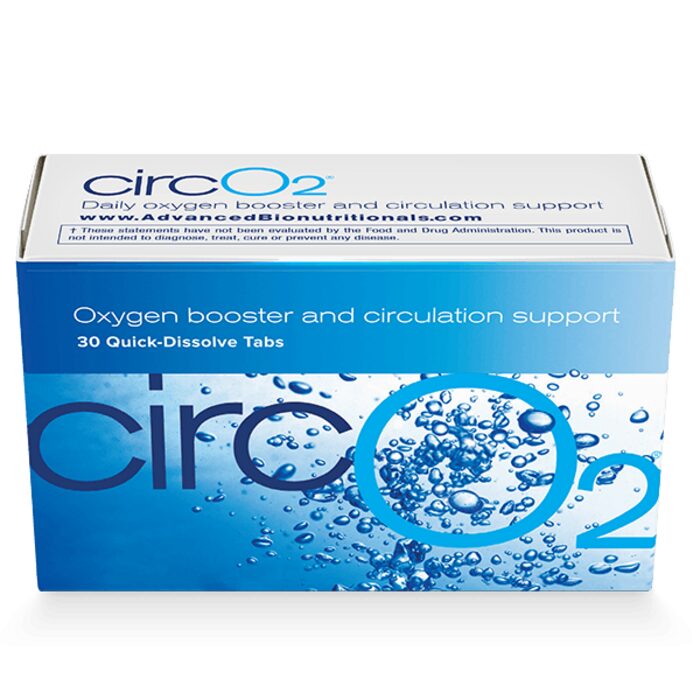
CircO2® Quick-Dissolve Tabs
See the full ingredient breakdown and how this formula is positioned for daily circulation support.